New Book! Guja-ratri: Reflections on Moditva

Our latest book, ‘Guja-ratri: Reflections on Moditva’ by the Ambedkar Age Collective, has been released and is available to order here.

If Hindu Raj does become a fact, it will, no doubt, be the greatest calamity for this country. No matter what the Hindus say, Hinduism is a menace to liberty, equality and fraternity. On that account it is incompatible with democracy. Hindu Raj must be prevented at any cost. ~ Babasaheb Ambedkar, Pakistan, or, The Partition of India

Has India finally arrived at that dreaded moment: the advance of Hindu Raj?

This book is a compilation of critical observations, commentary and reflections on the rise of Moditva, the weaponised arm of Hindutva consciousness, since 2002. The coinage ‘Guja-ratri’ is borrowed from a poem by the Telugu poet K. G. Sathyamurthy (‘Sivasagar’) on the communal carnage of 2002 in Gujarat.
New book! In Quest of Equality: Indian Constitution Since Independence.

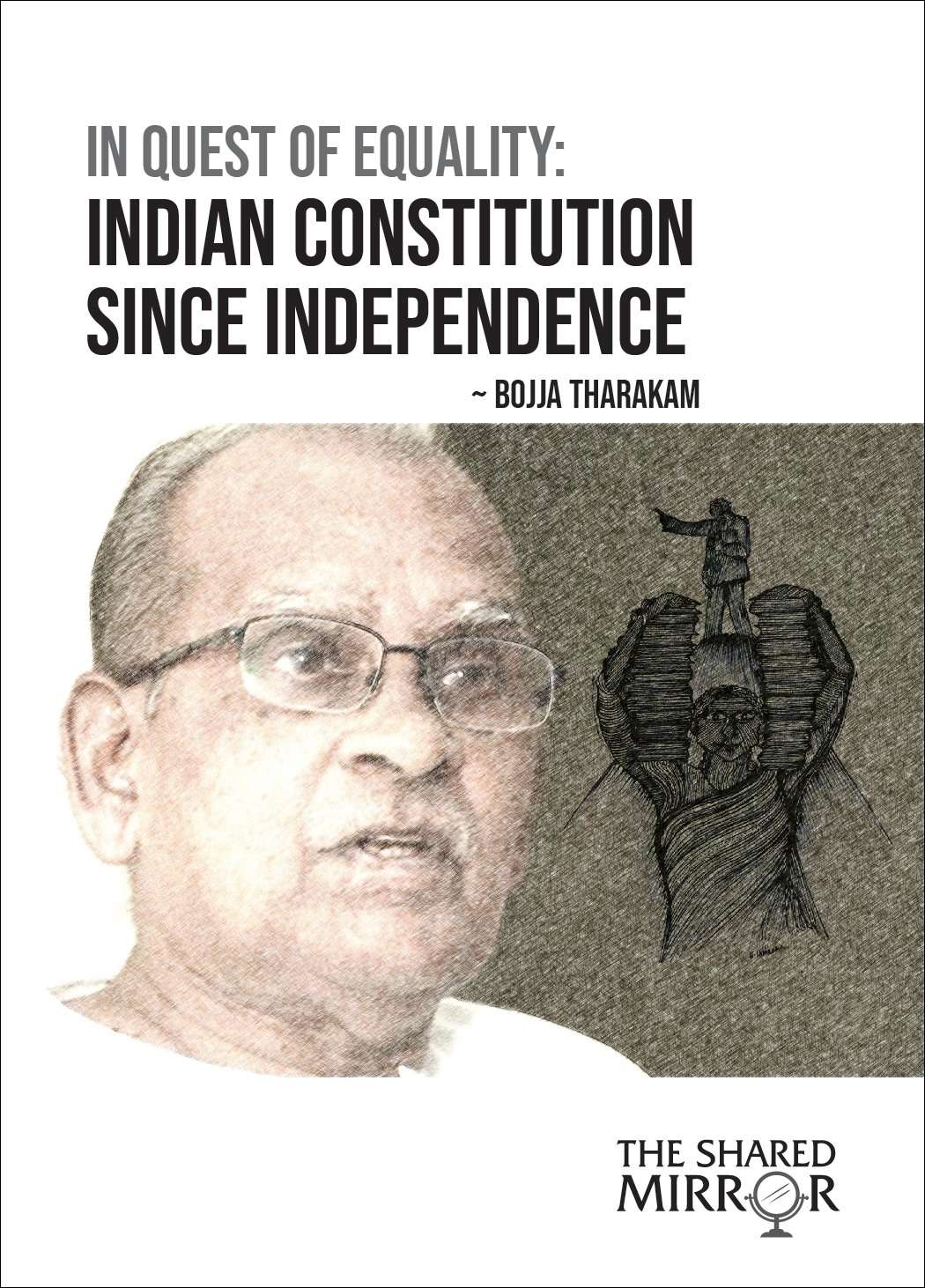
Our latest book, ‘In Quest of Equality: Indian Constitution Since Independence’ by Bojja Tharakam, has been released and is now available to order on Amazon here.

~ For “We the people of India” who gave unto themselves a Constitution glowing with promises of justice—social, economic and political, the situation appears to be not moving an inch forward towards the tantalizing objective of ‘Equality’. In fact, it is drifting away from it inch by inch from year to year. Six, seven decades of delay for such people is too arduous and intolerable. Since the Constitution of India made promises of social, economic and political equality, guaranteed liberty and assured freedom, it is nothing but natural for the people to wait in expectation of the performance of the Constitution in its fulfillment of its lofty goals. Equality should encompass all. It is not just a level playing exercise, it brings forth the essence of democracy in an effort to humanize people. Here is an attempt to look into the sojourn of the Constitution during these eventful post-independence years by the formidable, legal, political and social activist, human rights defender, Bojja Tharakam (1939-2016) who fought all his life for the cause of the Dalits and other marginalized. ~

New book! Bhima Koregaon: Our War Cry!

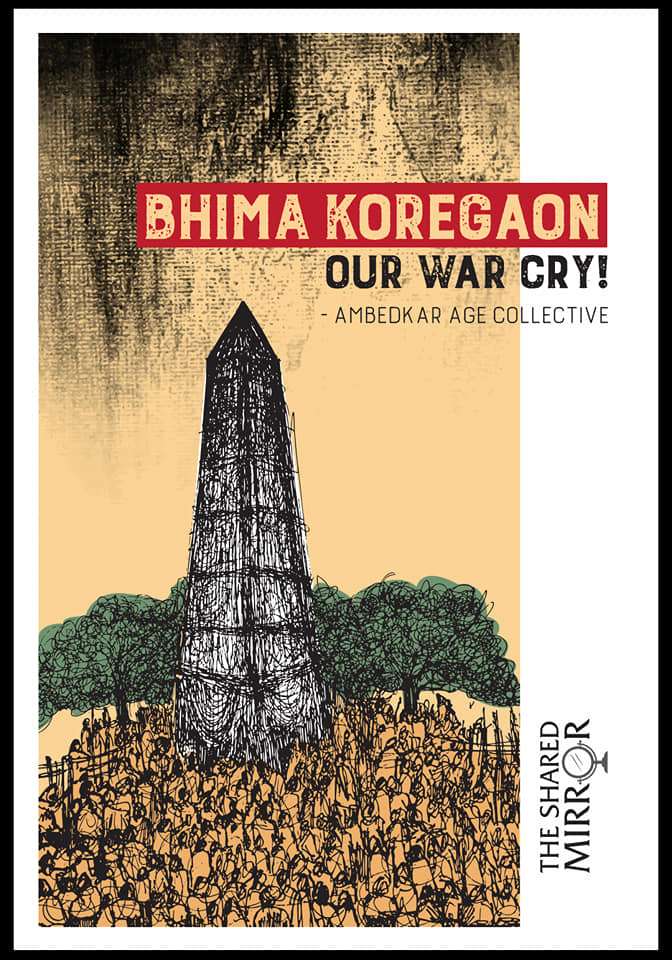
Our latest book, ‘Bhima Koregaon: Our War Cry!’, has been released and is now available to order on Amazon here.

~ The Bhima Koregaon monument has emerged as a symbol of the marginalized. For the student of history, Bhima Koregaon is a site that lets one be awed by the determination to memorialize in the face of subtle to brute resistance from the ruling classes. In this book, through events around Bhima Koregaon monument we get a glimpse of the dynamic interaction of tangible physicality and intangible memory. The essays provide evidence for the historical processes of building the monument, the political context in 1818, its remembrance through the collective memory of the marginalized, its erasure by the ruling classes and some 200 years later in the year 2018, large scale state violence on the marginalized. What is the connection between the ruling class in the region in 1818 and in 2018? Who are they? Who are the people who are resisting the memory and who are the people who want to remember 1818? What does it say about the caste system? Bhima Koregaon does not lend itself to easy binaries like: Hindu- Muslim, Colony-Post-Colony, Nation-Colonizer, etc. It works on the main fault line of the subcontinent – caste. ~

Order the book on Amazon here.

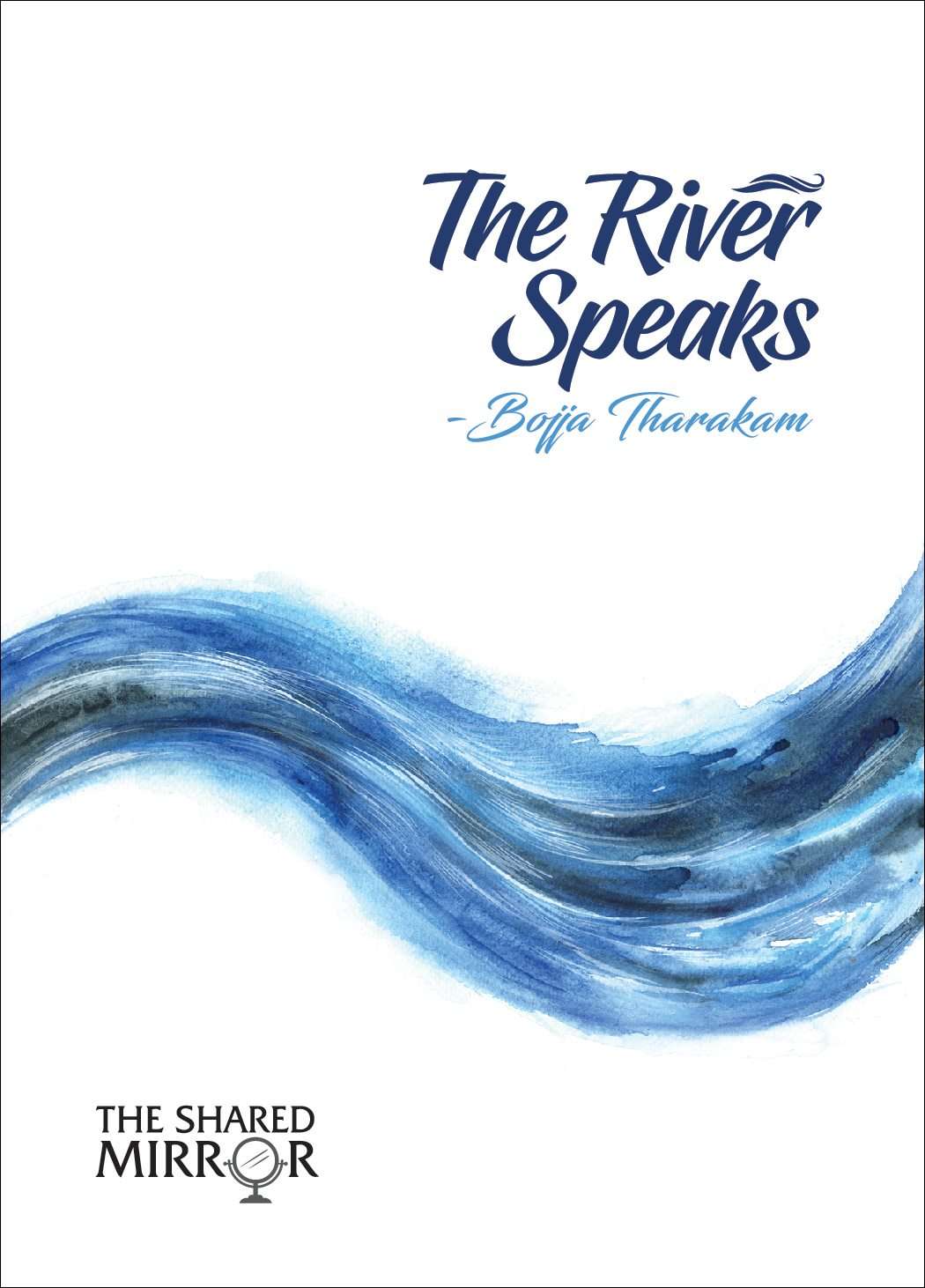
New book! The River Speaks, poems by Bojja Tharakam.

We are glad to announce our new book, ‘The River Speaks’, a collection of poems written by lawyer, human rights activist, writer, intellectual Bojja Tharakam (1939-2016) in 1976, when he was jailed during the Emergency. It is a brilliant commentary on the Indian state, society, and the ruling classes. The poems have been translated from the original Telugu by Naren Bedide (Kuffir).

It is available to order from amazon.in.

~ Emergency was clamped on 26th June 1975. Many thousands were thrown into jail. Fear gripped the entire country. Many people I knew were arrested. Whoever was perceived as ‘opposing Indira Gandhi’s policies’ was arrested. Political activists were anyway not spared, but they arrested writers too. The police had been sending reports about me (to their bosses) saying, ‘he has developed good relations with the people, and is also a writer’ for quite long.

July 4th.. I returned home from the court a little late. It was already dark, and a light drizzle was falling. The police inspector arrived. ‘The SP wants to see you’, he said. I understood. I told Bharathi, ‘they’ll arrest me’. We went in a police jeep. There was a bustle at the SP’s house, with police vans.. jeeps.. He told me, ‘we’re arresting you’. I said, ‘I’ll inform my people at home and return’. They sent me back in the same jeep, which was filled with armed policemen by then. When we reached my home, it was already surrounded by gun toting policemen. As I went inside, a policeman with a gun accompanied me.

The first arrest was in Nizamabad.. ~ Bojja Tharakam, in the original preface to the collection of poems, ‘The River Speaks’.