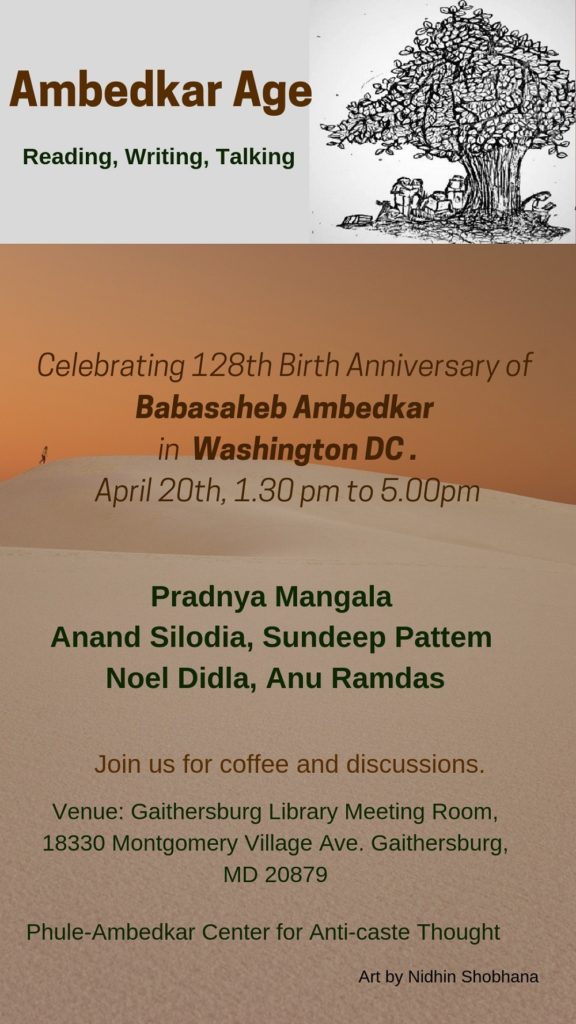
Ambedkar Age: Celebrating 128th birth anniversary of Babasaheb Ambedkar in the Washington DC area

Phule-Ambedkar Center for Anti-Caste Thought  

What better way to celebrate Babasaheb Ambedkar’s 128th Birth Anniversary than with books, reading and writing communities?

* It is 10 years of Round Table India – For An Informed Ambedkar Age. RTI has grown into the largest repository of contemporary writings focused on the task of Annihilation of Caste – join the discussion with the speakers.

The Shared Mirror Publishing House: A co-operative model for promoting Dalit-Bahujan literature and writers. More than 50 Bahujan women and men authors have been featured in the books published so far. Come and get your copies of their latest books and hear about the upcoming books.

Prabuddha – Journal of Social Equality: A journal effort focussed on the exploration of self-assertions & self-determination of emancipatory movements and relationships. Come and engage with us on how radical Anti-caste and Black radical activist-scholars are building community scholarship.
DC_poster5


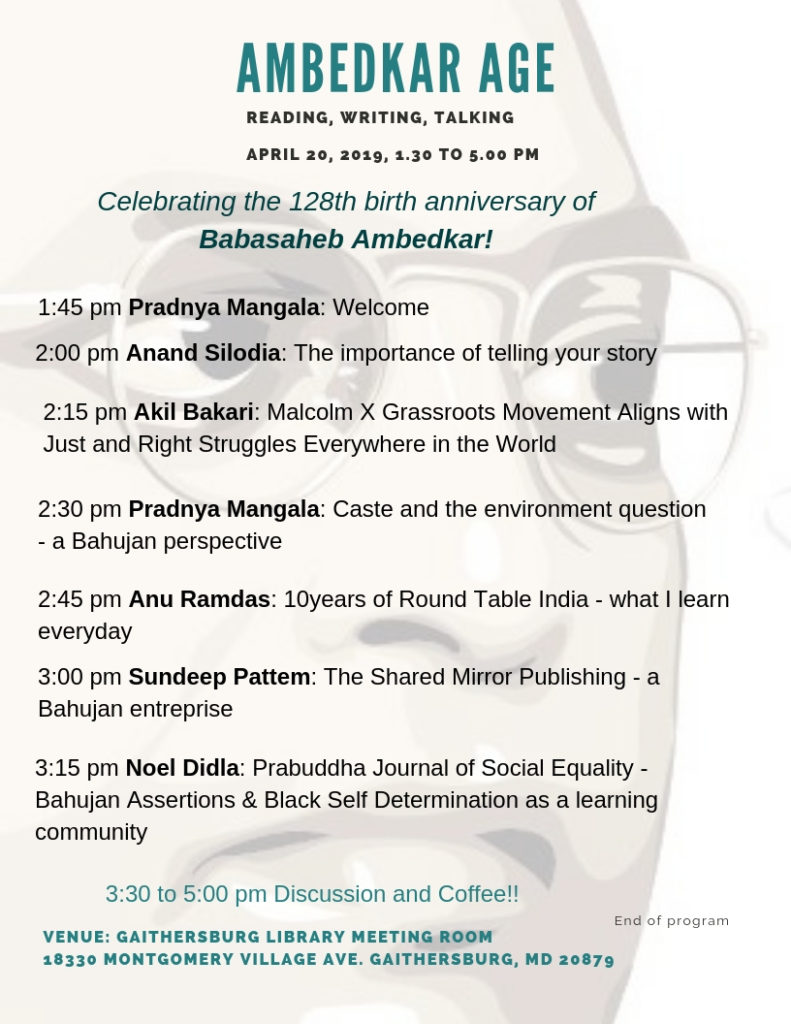
The program details are below. Please follow the Facebook event page for updates.
Ambedkar Agee Reading writing talking (15)

All are welcome!

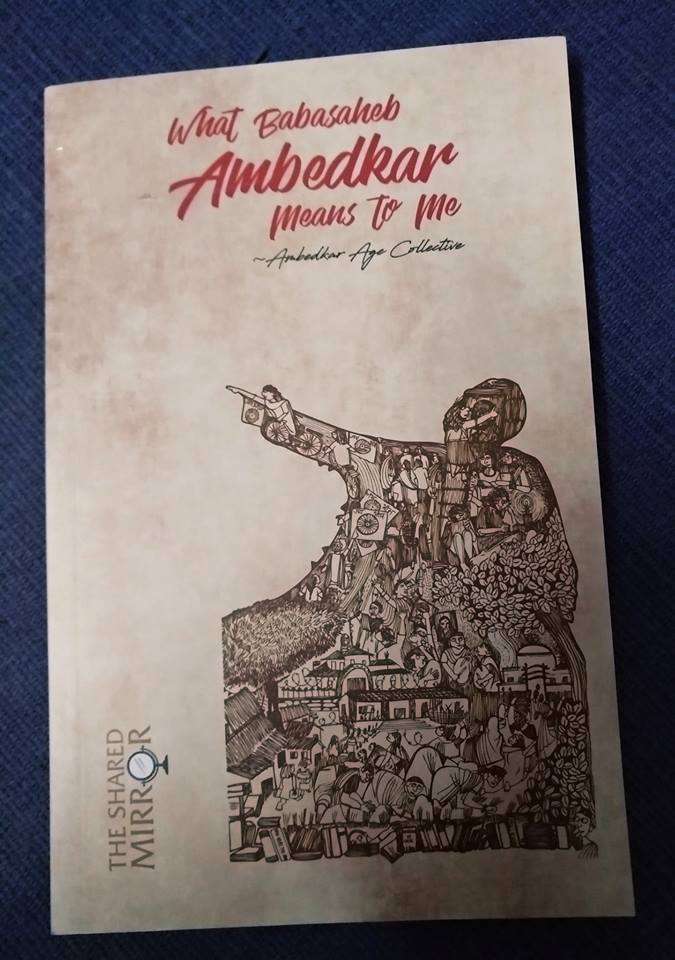
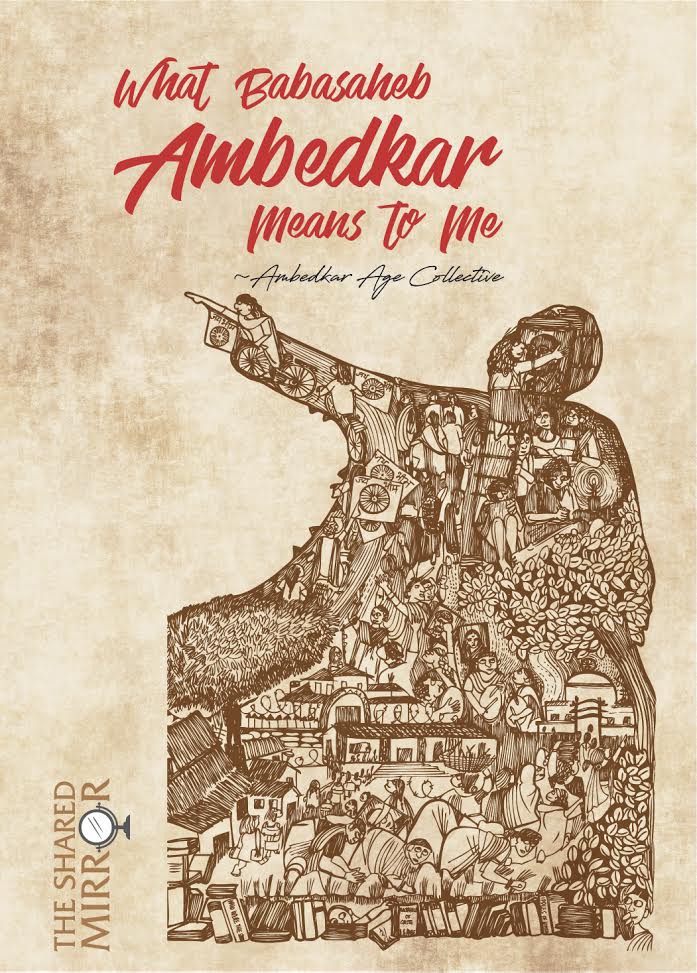
Print version of ‘What Babasaheb Ambedkar Means To Me’

Print version of ‘What Babasaheb Ambedkar Means To Me’

On popular demand, the print version of What Babasaheb Ambedkar Means To Me is now available on Amazon.in

Congratulations to the editors and all the authors! This book is the brainchild of SAVARI  editors Sruthi Herbert and Chetana Sawai along with Gurinder Azad. It has 13 women authors and an equal number of male authors reflecting on Babasaheb Ambedkar’s impact on them, in shaping their perspectives in all their pursuits and goals.

We are very proud of this book, it was envisioned and materialized by Sruthi and Chetana, and with this book, they lay open a clear path for visualizing different models of publishing. They are perhaps not the first Bahujan women editors engaged in publishing political commentary, but they sure are a unique team that gave us a glimpse of the diverse processes of politicization of contemporary young women and men into an Ambedkarite consciousness.

We wish Bahujan women editors of all languages the very best and look forward to reading more books from and by them.

This book was first published as a freely downloadable ebook —  a constant demand from readers for a print version: “for my parents and other elders who are not comfortable reading on screen,” from school teachers, “I want to gift it to my students”, from others, “We want it in our bookshelves” — the ebook has literally walked itself into a print version. This was made possible by the generous contributions from friends, we are very thankful to each one of them.

The book is available on Amazon.in prized at Rs 150.

https://www.amazon.in/What-Babasaheb-Ambedkar-Means-Me/dp/8192993027/ref=sr_1_1?ie=UTF8&qid=1551868057&sr=8-1&keywords=what+babasaheb+means+to+me

Enjoy!

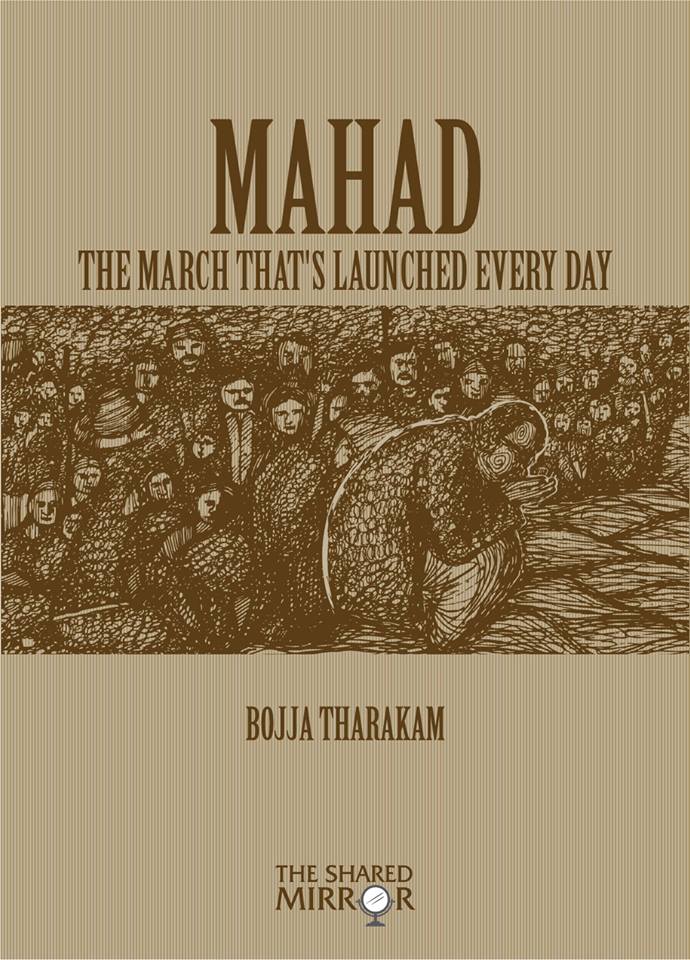
Mahad: The March That’s Launched Every Day – Order Now!

Our new book, Mahad: The March That’s Launched Every Day, from the pioneering human rights activist, Dalit thinker and Ambedkarite leader, Bojja Tharakam (1939-2016) is ready to be ordered.

~~~

Mahad and the erasure of real history

How did mainstream Indian history miss such a watershed event that subterraneously set the tone for all protest movements in India for the last 90 years? The same dominant social forces that fashioned Dandi into a defining project of anti-colonial, anti-imperialist, nationalist movements also erased all traces of Mahad from mainstream history. Gandhi and Dandi are alluring dominant narratives, almost myths, that are told and retold every day, to drown the din of the Mahads being launched every day.

There are many such stark insights in this book that only Bojja Tharakam could have offered:

  • Dandi was projected as an urgent need whereas Mahad voiced a millennia-old concern.
  • The Dandi marchers did not break any law, whereas, at Mahad, the ‘laws’ of Hindu society were broken.
  • A very complaisant state looked the other way when Dandi was being planned and executed, while Mahad had to face both an openly antagonistic society and a dilatory government.
  • Dandi happened at a stage when the colonial state was actively mulling over ‘independence’, while Mahad was the battle that started the continuing war for total freedom for all marginalised sections of India.

How to order:

To place an order, please email the following details to: thesharedmirror@gmail.com

* Your Name

* Your Postal Address

* Number of Copies

* Your Phone Number

* Method of Payment (see options below).

How to Pay 

(i) Transfer Rs 100 (discounted price plus postage) for each copy to the THE SHARED MIRROR PUBLISHING HOUSE’s bank account (details are given below).

(ii) Or order via VPP and pay Rs 100 (discounted price plus postage) on delivery.

Bank Details:

Account: THE SHARED MIRROR PUBLISHING HOUSE

Bank: AXIS BANK

Branch: Musheerabad, Hyderabad

Account number: 915020033000788

IFSC Code: UTIB0001112

Mahad: The March That’s Launched Every Day

A new book, from the pioneering Human Rights activist, Dalit thinker and Ambedkarite leader, Bojja Tharakam sir (1939-2016). Jai Bhim!

Our new book!

There are great marches in history, in Biblical lore…
Moses led his people across the sea to liberation. It took him forty years to lead his people to the Promised Land.
Ambedkar led his people to Mahad for equality through the barbaric caste system. The first phase of the march was between 19 March, 1927 andto 25 December, 1927. The second phase was between 26, December andto 17 March, 1937.
Gandhi led his Sabarmati ashramites to Dandi, starting on 12 March, 1930 and ending on 6 April, 1930, to defy an unjust alien law.
Mao led his people through a long march to revolution from Yangtze to Yenan starting on 16 October, 1934 and ending on 19 October, 1935.
There are marches and marches…
Workers march, peasants march, labourers march, soldiers march…
They march for liberty, for equality, and for freedom.
Mahad and Dandi are two such marches.
Dandi is known to many, only a few know Mahad


Edex Book Review of What Babasaheb Ambedkar Means To Me

Johanna Deeksha, journalist at Indian Express reviews What Babasaheb Ambedkar Means to Me. Read excerpt here below and the full review on Edex

Book for all ages 

‘What Babasaheb Ambedkar means to me’ is the second book that The Shared Mirror is publishing, the last one being Amazon’s best seller ‘Hatred in the Belly”. The Shared Mirror promotes Dalit-Bahujan literature and writers and aims to further the anti-caste discourse. The latest book, released on the 126th birth anniversary of the revolutionary leader, is a compilation of almost 30 articles on the authors’ first or most memorable tryst with Ambedkar, on how he leaves a mark on their everyday lives and how he pushes them to break barriers and emerge victors.

babasaheb_bookcover_1

Read more

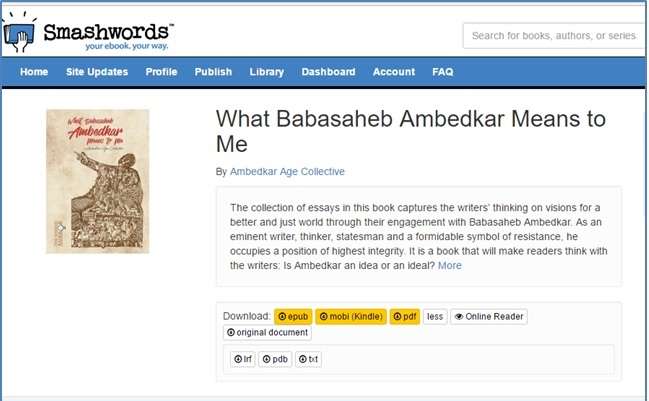
Now on Smashwords – What Babasaheb Ambedkar Means To Me

Our new book What Babasaheb Ambedkar Means To Me is now available on Smashwords – Ebooks from independent authors and publishers

The ebook can be downloaded in various formats and also read online, see screenshot below. (https://www.smashwords.com/books/)

Enjoy Reading!
smashwords1 For direct downloads in PDF format from The Shared Mirror website please click on the Download button: 

We will try our best to make this book available on as many platforms that support free distribution as possible.

Book Release: What Babasaheb Ambedkar Means to Me

We are happy to announce the release of our new ebook What Babasaheb Ambedkar Means to Me commemorating the 125th birth anniversary of Babasaheb Ambedkar. The book can be freely downloaded.

To download this ebook, please click the Blue button on top.

Follow with checkout instructions for direct downloads.

An email will also be sent with the file. Enjoy Reading!


babasaheb_bookcover_1 Read more

Our New Title: What Babasaheb Ambedkar Means to Me

Jai Bhim! As we enter the 126th birth year of Babasaheb Ambedkar, The Shared Mirror is honoured to publish a compilation of essays on the theme ‘What Babasaheb Ambedkar Means To Me’ as a freely downloadable e-book, to be made available very soon!

For updates please follow our Facebook page!
https://www.facebook.com/WhatBabasahebMeans/?pnref=story
babasaheb_book_cover_rust

Celebrating Babasaheb’s life and achievements needs no particular occasion, he has emerged as a consciousness, a moral anchor for the masses. A musical tradition of rendering his life events from birth onwards, winding through Mahad, Poona Pact, Kalaram Mandir, Round Table conferences, the constitution itself, the conversion and his death was the foremost in the archiving of Babasaheb’s memory and multiple legacies. This people’s music in turn inspired artists, painters, writers and sculptors resulting in a vibrant visual rendering by people historians–men, women, young and old, who weave a tapestry of universal values of justice, equality, liberty and fraternity.
In a society that excludes at every turn, the excluded have claimed the public sphere with the physical shape of a bust or statue of Babasaheb. Can we even begin to fathom the processes that lead to seeing this physical manifestation of Babasaheb’s consciousness at narrow street corners and busy market places

On his 125th birth anniversary, in the act of remembering Babasaheb Ambedkar, The Shared Mirror invited young writers to send in articles on the theme of ‘What Babasaheb Ambedkar Means to Me’.

How do we embrace our roles in annihilating caste to create the foundation of a humane society? How do we celebrate his legacy and join his followers as workers laboring for an equal world?

The collection of essays in this book captures the writers’ thinking on visions for a better and just world through their engagement with Babasaheb Ambedkar. As an eminent writer, thinker, statesman and a formidable symbol of resistance, he occupies a position of highest integrity. It is a book that will make readers think along with the writers: Is Ambedkar an idea or an ideal? Is he a path or a journey? The readers get to engage in the dynamic process of viewing personal struggles alongside a benchmark of lofty human values, seen and understood through his incorruptible persona in life, words and accomplishments.

~~~

Manchester event: Discussion on ‘Hatred in the Belly: Politics behind the appropriation of Dr Ambedkar’s writings’

Manchester Launch of Hatred in the Belly: Politics behind the appropriation of Dr. Ambedkar’s writings
by  Ambedkar Age Collective
When: 6 – 8 pm, 6th October 2016
Where: Samuel Alexander A201,
The University of Manchester,
Oxford Rd, Manchester

Talks, Readings and Discussion
Chair: Rubina Jasani
Speakers: Anu Ramdas, Kuffir Nalgundwar, Gaurav Somwanshi, Sruthi Herbert, Sridhar Gowda, Kavita Bhanot


at-press2

midland-books-mr-mirza-afsar-baig


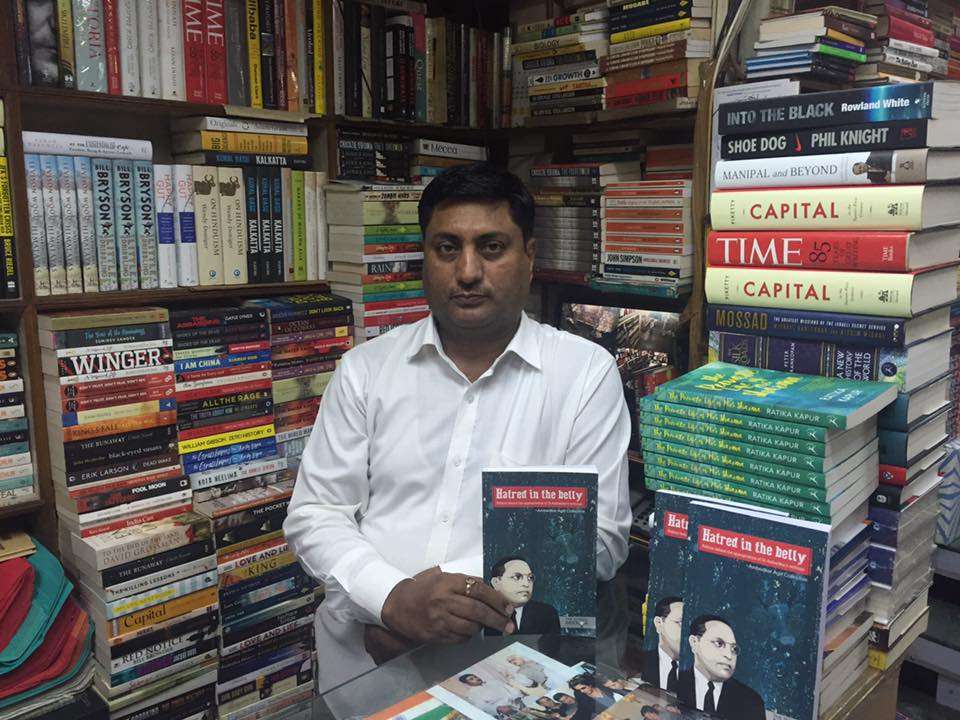
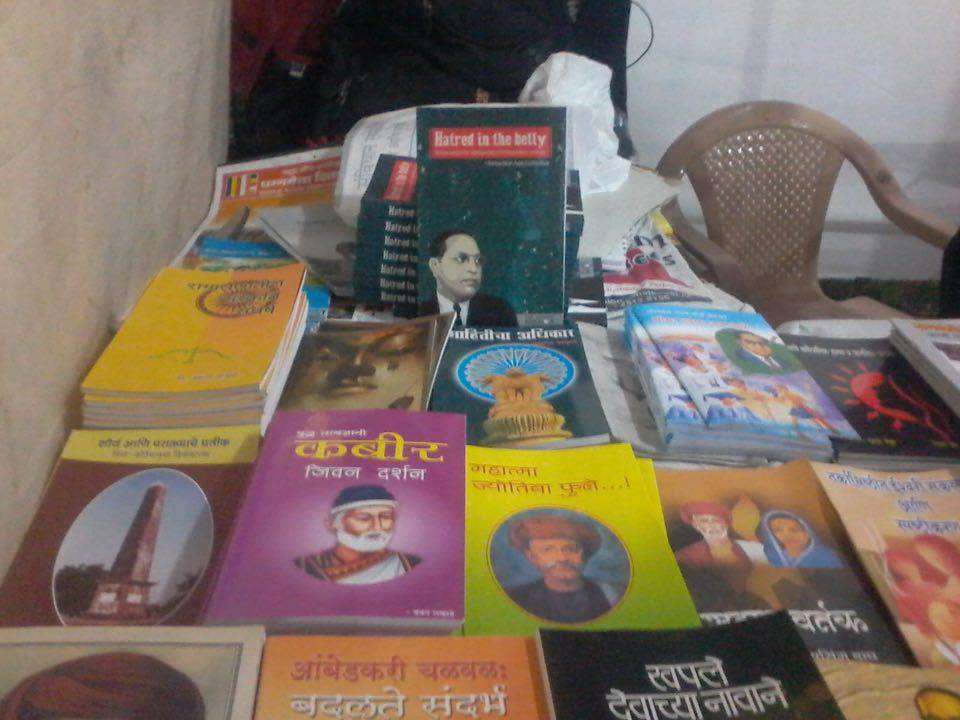
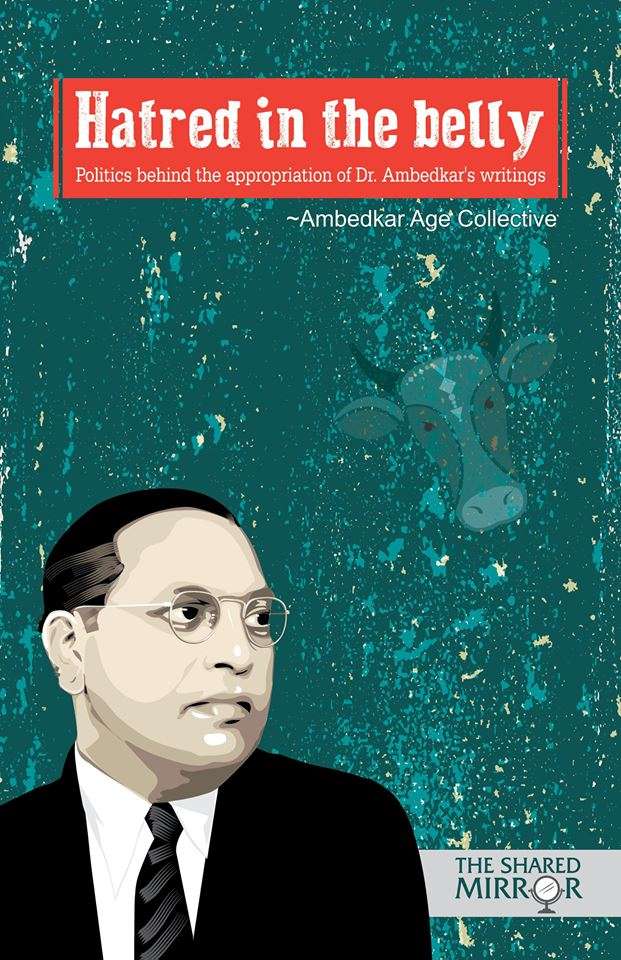
Hatred in the Belly published by The Shared Mirror is the powerful response by a number of Dalit-Bahujan writers to Arundhati Roy’s ‘much-needed-introduction’ to Ambedkar’s Annihilation of Caste, published by Navayana Press in 2014, and by Verso Press in the UK. While focussing on Arundhati Roy-Navayana’s project as a ‘case study’ of sorts, the book is an important and timely intervention that unpacks the wider politics

of the appropriation of Ambedkar and Ambedkar ‘s writings by brahmin/upper caste ‘progressives’. One of the important books of the 21st century, Hatred in the Belly raises important questions of representation, self-assertion and the damaging effects of an elite left and celebrity activism upon people’s movements and struggles.

hitb_dec6_2015

The book and the discussion around it brings layers and complexity to decolonial discourse in Britain, addressing structures and hegemonies of media, publication and academic discourse within India and how this plays out globally through international collaborations between ‘progressive’ elites. The book is also remarkable for the ways in which, bypassing powerful publishing, marketing and distribution structures and networks, it has emerged from a collective process of writing, editing, translating, publishing, marketing and distribution. We will be joined, via skype, by Gaurav Somwanshi, contributor to Round Table India and Hatred in the Belly, and Anu Ramdas and Kuffir Nalgundwar, founders/editors of Round Table India and editors of Hatred in the Belly. Join us for a discussion about the book, with an opportunity to buy a copy.

https://www.facebook.com/events/626718814158405/

book cover hib